
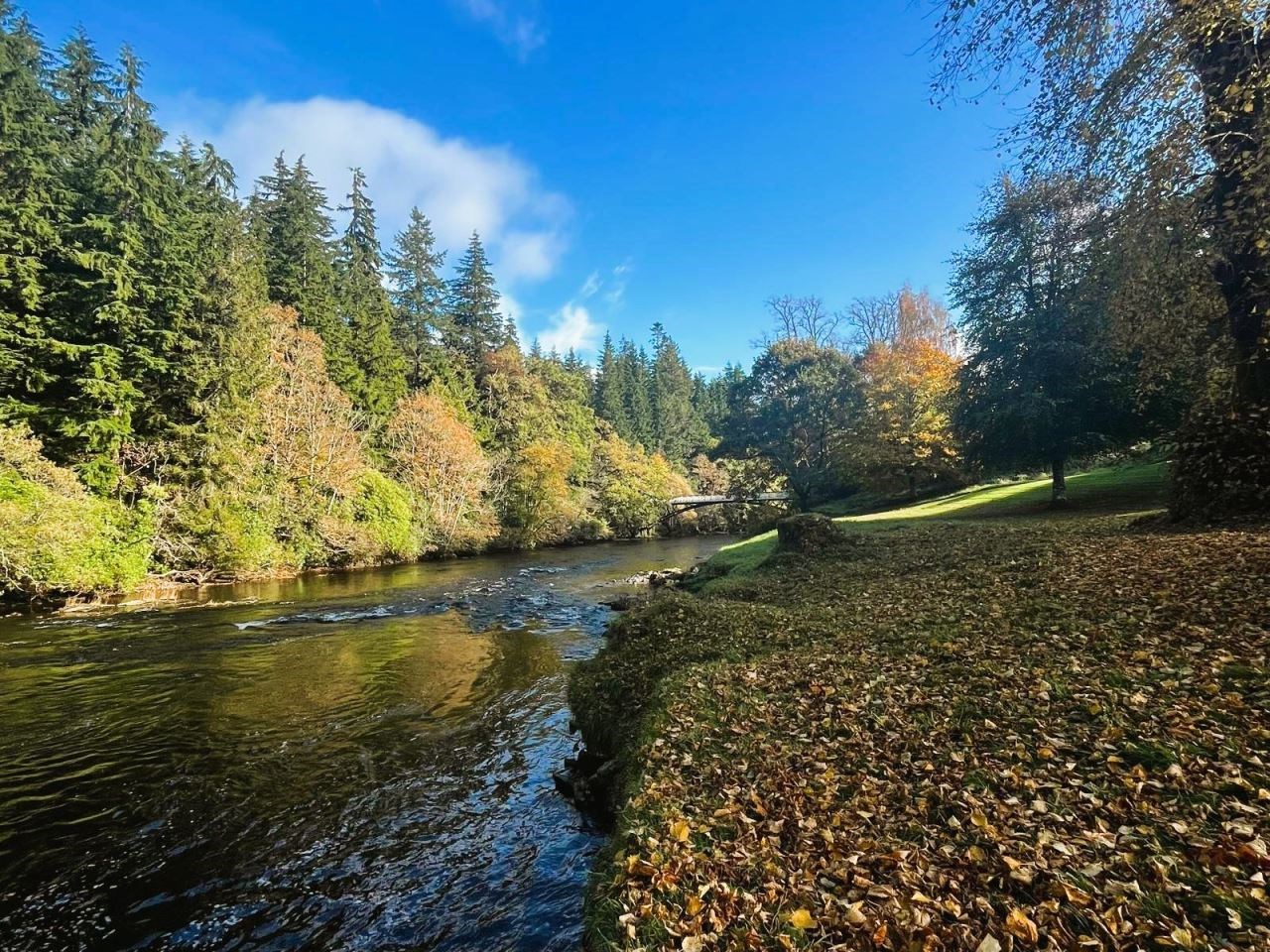
Shutting away my rods and reels at the end of a season is always an activity tinged with sadness, knowing that it will be months until I get my hands on them again.
Dreaming of Next Season
I spend the close season dreaming about flowing rivers, the creatures that inhabit them and the methods I'll use next year to get them to take. But I also take time to reflect on the season just gone. What could I have done better? Where did I go wrong? And, perhaps most importantly, how could I have caught more fish?
One particularly shameful incident springs to mind.
I hooked a really decent fish on a Scottish river and immediately realised that my GoPro was still stuffed down the front of my waders. In the process of scooping it out and fitting it on my head, I pointed the rod directly at the fish, with predictable results...
There is no cure for this kind of stupidity.
When Things Don't Go to Plan
I’ve also been mulling over the last trip of the year, a video of which you can find on the finScribe YouTube channel.
In short, I caught nothing.
The river was, for once, at a perfect height. We arrived brimming with a confidence that turned, after two fishless days, to frustration.
Analysing the situation at the time, we decided that our lack of success was down to an area of very high pressure that parked itself over the UK. We experienced still days and increasingly cold, clear weather. Apparently, these are conditions that the fish really don’t like.
But here's the thing. I never once considered changing my modus operandi.
I fished with the same kit all week and I'm now kicking myself for not trying different methods.
Perhaps the high pressure meant the fish were sitting higher in the water column. Maybe I'd been fishing too deep. Perhaps I should have changed what was on the end, offered them something different to have a look at.
A Reminder for Next Season
Once home, I spent some time creating a blank log on finScribe, the fishing logbook app. I recorded the weather, atmospheric pressure and the method I'd been using.
The idea is simple. It will serve as a reminder of that particular trip and, hopefully, a wake-up call – not to get stuck in one mind-set, a prompt to ring the changes. And then I might stand a better chance of leaving the water with a wet net.
Fishing is full of variables. Water levels, temperature, weather, pressure and the behaviour of the fish all play their part. Sometimes we're lucky and everything comes together. At other times, we need to think a little harder and be prepared to adapt.
A fishing logbook isn't just about recording the fish you catch. It's also about remembering the days when you don't.
Because those can be just as useful when planning the next trip.
